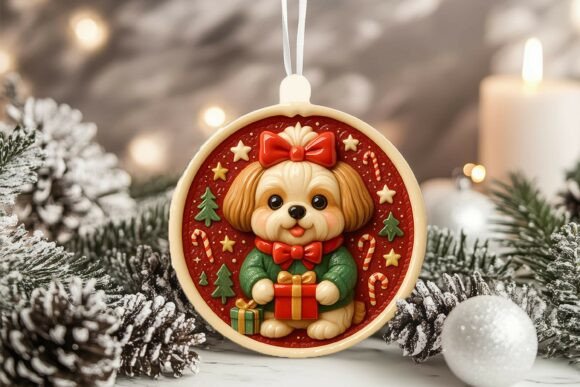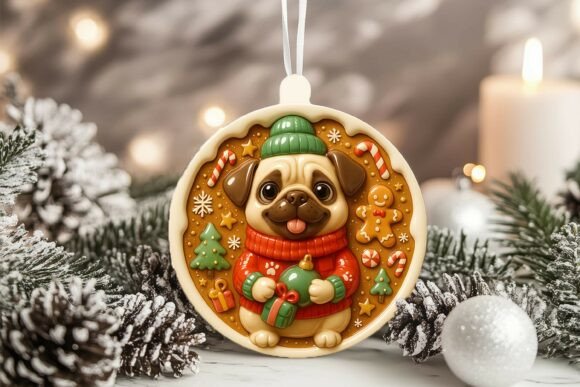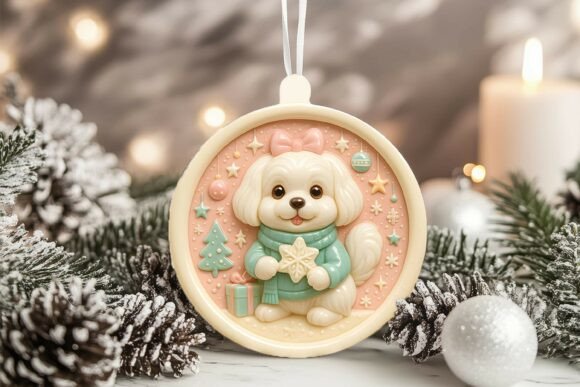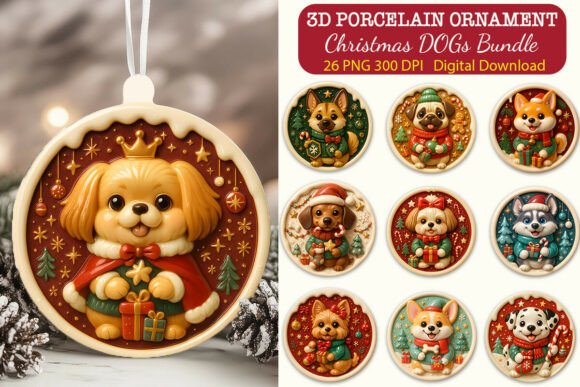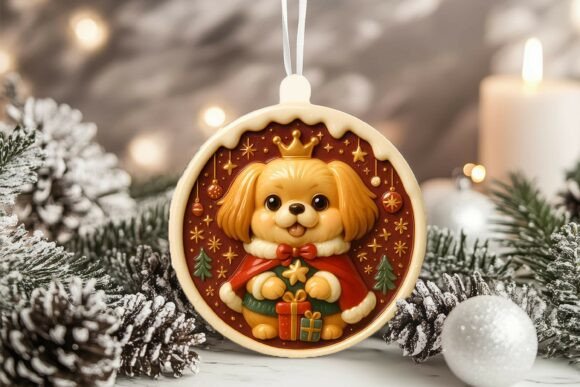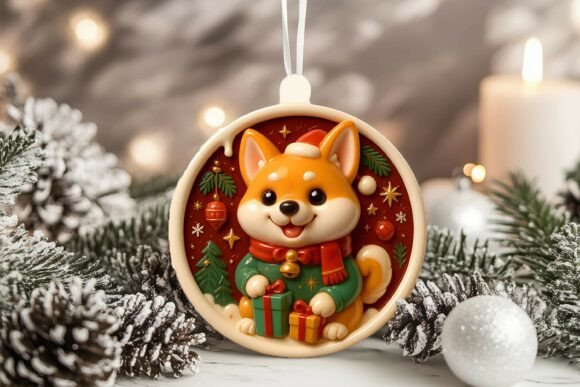
3D Porcelain Shiba Inu Dog Xmas Ornament
As a designer who spends more time staring at stitch density charts and fabric swatches than sleeping, I approach every new digital asset with a mix of curiosity and skepticism. When 3D Porcelain Shiba Inu Dog Xmas Ornament landed on my desk, I didn’t just see a cute dog; I saw a potential bestseller for the upcoming holiday season, but also a technical puzzle waiting to be solved. This isn’t just another generic clipart file. It is an Illustrations and Graphics asset that demands careful consideration before it ever touches a hoop.
The immediate mood this design creates is one of cozy, festive nostalgia. The concept of a Shiba Inu dressed or styled as a porcelain ornament taps directly into two massive trends: the enduring popularity of Shibas in internet culture and the timeless appeal of Christmas decor. For an Etsy seller or small shop product creator, this visual personality is gold. It feels personal, whimsical, and highly giftable. But does it translate well from a screen to thread? That is the real question.
First Impressions and Visual Personality
Looking at the source file, the composition is clean and focused. The circular shape of the ornament provides a natural boundary, which is incredibly helpful for embroidery layouts. It suggests a contained design rather than a sprawling scene, making it easier to manage within standard hoop size constraints. The "porcelain" aspect implies smooth lines and perhaps some glossy highlights, which we will need to interpret through thread choice and stitch technique.
The Shiba’s expression is key here. If the eyes and mouth are rendered with enough clarity, the character shines through. If the details are too thin, they risk getting lost in the fabric weave. My first thought was how this would look on a sweatshirt embroidery project. The contrast between the chunky knit of a holiday sweater and the delicate, refined lines of a porcelain figure creates a beautiful textural juxtaposition. It elevates a simple sweatshirt into a statement piece.
Real-World Application: From Screen to Stitch
Let’s talk about practical use. I recently considered using this design for a batch of custom embroidered tote bags for a local craft fair. The idea was to create a limited-run holiday gift set. Here is how 3D Porcelain Shiba Inu Dog Xmas Ornament performed in my mental simulation of the production process.
- Tote Bags: Canvas is a forgiving fabric. The design sits flat and reads clearly. However, because the original graphic is likely high-resolution digital art, converting it to a machine embroidery design requires simplification. You don’t want tiny running stitches that pucker the bag. A combination of fill stitch for the body and precise satin stitch for the outline works best.
- Baby Embroidery: Imagine this on a onesie or a burp cloth. The softness associated with porcelain translates well to baby items if you choose softer thread colors like cream, pastel pink, or sage green instead of harsh black outlines. It becomes a personalized gift that feels gentle and safe.
- Holiday Embroidery: On tea towels or kitchen linens, this design adds a touch of class. It moves away from the tacky reindeer motifs and offers something more sophisticated for the modern home. It fits perfectly into a curated aesthetic that many craft business owners strive for.
The versatility extends to custom apparel as well. Placing this on the chest of a hoodie or centered on the back of a crewneck creates instant brand recognition for anyone who loves dogs. It’s not just a pattern; it’s a conversation starter. Customers love sharing their unique finds on social media, and a well-executed Shiba ornament design is highly shareable content.
Technical Challenges and Where to Be Careful
Not every surface is created equal, and this design has specific areas where a designer needs to exercise caution. The term "3D" in the title suggests depth, but embroidery is inherently 2D unless you use heavy padding or puff print techniques. To achieve that porcelain look, you must rely on color blending and stitch direction.
Here are the scenarios where you should pause and re-evaluate your approach:
- Small Hoop Sizes: If you try to fit this entire ornament design into a 4x4 inch hoop without scaling down significantly, you will lose detail. The facial features of the Shiba might become indistinguishable blobs. Always check the stitch density against the available space.
- Textured Fabrics: Trying to embroider fine details onto a heavy burlap or a thick chenille blanket can obscure the design. The texture of the fabric competes with the texture of the thread. For this specific design, which relies on smooth lines to mimic porcelain, a smooth cotton or polyester blend is ideal.
- Stretchy Fabric: Knits stretch. Embroidery threads do not. Without proper stabilizer, the ornament shape may distort after washing or wearing. This is critical for caps and hats, where the curvature adds another layer of complexity.
- Dense Stitch Areas: If the original graphic includes heavy shading, converting that to fill stitches can create a stiff, board-like feel. For a porcelain effect, you want the fabric to remain somewhat pliable. Consider using fewer layers of thread or opting for a lighter underlay.
Enhancing Value and Professionalism
Using 3D Porcelain Shiba Inu Dog Xmas Ornament correctly can significantly boost the perceived value of your handmade product. When a customer sees a crisp, well-placed design on a high-quality item, they trust the craftsmanship. It signals that you paid attention to detail. This is especially important for commercial embroidery projects where you are competing with mass-produced goods.
To maximize this effect, consider how you present the final result. If you are selling printable mockups or digital previews, ensure your lighting highlights the sheen of the thread. The "porcelain" theme invites a certain elegance in presentation. Avoid cluttering the background. Let the Shiba stand out.
Furthermore, think about the emotional connection. Dog lovers are passionate buyers. By choosing a breed as popular and expressive as the Shiba, you are tapping into an existing community. The ornament shape ties it to the holidays, creating urgency and relevance. It’s a smart combination of niche interest and seasonal demand.
Practical Designer Notes for Success
Before you commit to a full production run, follow these steps to ensure quality control:
- Test on Scrap Fabric: Never skip this step. Use the exact fabric and stabilizer you plan to use for the final product. See how the colors interact.
- Check Thread Color Contrast: Porcelain is often white or off-white. Ensure your background fabric provides enough contrast so the design doesn’t disappear. On dark fabrics, you may need a white underlay or a contrasting border.
- Inspect Small Details: Zoom in on the eyes and nose. Are they clear? If not, simplify the digitization. It is better to have a bold, simple design than a confused, detailed one.
- Confirm Licensing: As a professional, you must know your rights. Check the license agreement for the digital embroidery file. Can you sell the finished physical items? Can you use it in commercial marketing? Clarity here protects your craft business.
- Black and White Mockup: Convert your design to grayscale to check the balance of light and dark areas. This helps identify if any part of the design is too heavy or too light.
In conclusion, 3D Porcelain Shiba Inu Dog Xmas Ornament is a strong candidate for holiday collections. It balances charm with commercial viability. With careful digitization and thoughtful application, it can transform from a simple PNG into a cherished finished product. Just remember: the magic is in the execution. Test thoroughly, choose your materials wisely, and let the design speak for itself.