3D Printer Icons SVG Pack: Essential Graphics for Crafts and Tech Blogs
In the world of digital publishing, first impressions are everything. As a blog designer who has spent years refining editorial layouts and optimizing content for readability and engagement, I know that visual assets are not just decoration—they are functional tools that guide the reader’s eye and establish trust. When reviewing a new graphic design asset, my primary concern is always its versatility within a real-world publishing workflow. This is where the 3D Printer Icons SVG Pack stands out as a compelling resource for creators in the maker, tech, and educational niches.
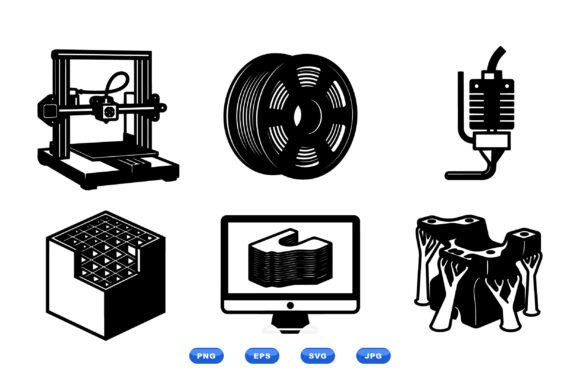
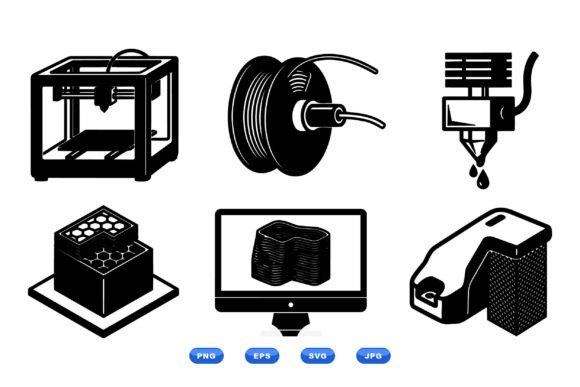
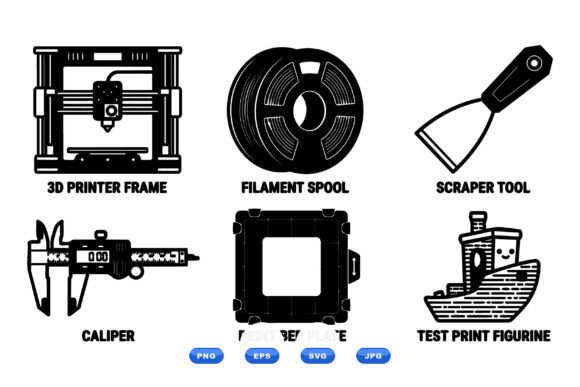
The market is saturated with generic clip art, but few assets offer the specific clarity needed for technical guides or modern brand identities. The 3D Printer Icons SVG Pack presents itself as a flat vector set that displays 3d printing hardware and accessories labeled with clear silhouettes for technical guides branding and educational diagrams informative. It feels clean, professional, and highly structured, avoiding the cluttered aesthetic that often plagues niche-specific icon sets. For bloggers and publishers, this means less time editing and more time creating high-quality content.
Elevating Editorial Design with Technical Precision
When you integrate the 3D Printer Icons SVG Pack into your website header or article graphics, you immediately signal authority. The visual mood created by these icons is one of modern precision. They are neither overly playful nor strictly corporate; rather, they strike a balance that works beautifully for educational diagrams, affiliate marketing reviews, and how-to tutorials. This neutral yet polished tone supports content that needs to look polished and clickable without distracting from the written word.
Consider the typical blogger preparing featured images for a series on additive manufacturing. Using standard stock photos can sometimes feel dated or overly complex. In contrast, using a cohesive set of silhouettes allows for a cleaner visual hierarchy. Readers can instantly recognize the subject matter—whether it is a filament spool, an extruder nozzle, or a build plate—before they even read the headline. This immediate recognition improves reader trust and reduces bounce rates, as visitors know exactly what kind of technical depth they can expect from the post.
Practical Applications Across Digital Channels
The true value of any design asset lies in its adaptability. The downloadable ZIP package includes a variety of scalable vectors, making them perfect for diverse use cases across your content marketing strategy. Here is how I recommend deploying these icons in your daily publishing routine:
- Blog Featured Images and Thumbnails: Use the larger hardware icons as focal points against solid color backgrounds. This creates a strong visual identity for your category pages and helps users navigate your site more intuitively.
- Pinterest Pins and Social Media Graphics: Vertical pins require quick comprehension. A minimalist silhouette of a 3D printer paired with bold typography performs exceptionally well in crowded feeds. These social media graphics help drive traffic back to your main site.
- Digital Guides and Lead Magnets: If you are creating a downloadable printable checklist for beginners, such as "Top 10 Settings for PLA Filament," these icons serve as excellent bullet points or section dividers. They elevate the perceived value of your lead magnet.
- Newsletter Headers: Consistency builds brand loyalty. By incorporating the same icon style into your email newsletters, you create a seamless experience between your blog and your inbox. This is crucial for digital product promotion and affiliate links.
- Canva Templates: For those who design their own assets, these SVGs can be imported directly into Canva templates, allowing for rapid creation of consistent blog graphics without needing advanced design software.
Boosting Content Performance Through Visual Hierarchy
From a publisher’s perspective, every element on a page competes for attention. The 3D Printer Icons SVG Pack aids in establishing a clear visual hierarchy. By using these icons to break up dense blocks of text, you make technical information more digestible. For example, when explaining the difference between FDM and SLA printing, a side-by-side comparison using relevant icons can clarify complex concepts faster than paragraphs of text alone.
This approach also enhances your brand identity. A consistent set of design assets signals professionalism. When a visitor sees that your affiliate marketing content uses uniform, high-quality visuals, they are more likely to trust the recommendations provided. Furthermore, optimized SVG files ensure fast load times, which is a critical factor for web performance and SEO rankings. Unlike heavy raster images, these vectors remain crisp on retina displays and mobile devices alike.
Strategic Placement and Design Considerations
While the versatility of the 3D Printer Icons SVG Pack is impressive, there are contexts where caution is advised. To maintain editorial integrity, consider the following placement strategies:
- Avoid Small Mobile Thumbnails: While vectors scale down, intricate details may become indistinguishable at very small sizes. Test your icons at 50x50 pixels to ensure legibility before using them as small UI elements.
- Monitor Contrast Levels: Ensure your chosen background colors provide sufficient contrast against the icon silhouettes. Low-contrast backgrounds can render the graphics invisible, hurting accessibility standards.
- Balancing Busy Layouts: In articles that already contain many charts, screenshots, and embedded videos, adding more graphic elements can create visual noise. Use these icons sparingly as accents rather than dominant features in cluttered layouts.
- Niche Appropriateness: While these icons fit well within the crafts and hobbies sector, they may feel too informal for serious corporate B2B content or academic journals. Assess your audience's expectations before integrating them into formal publications.
Essential Publisher Notes for Implementation
Before finalizing your design workflow with these creative design elements, I recommend running a few practical tests. Always preview your icons inside a real blog layout, including sidebar widgets and footer areas, to see how they interact with existing brand colors. Check contrast and readability by placing them beside different font styles; they pair particularly well with sans serif fonts for a modern look, but can also complement display fonts if used as decorative accents.
Additionally, review file size for web performance. Even though SVGs are lightweight, bundling too many can add up. Compress images properly using tools like SVGO to strip unnecessary metadata. Finally, confirm commercial licensing before using it on monetized websites. Since this asset is intended for branding and educational diagrams, ensuring you have the right commercial license protects your business and allows you to use these graphics in paid content products or client projects without legal ambiguity.
In summary, the 3D Printer Icons SVG Pack is more than just a collection of images; it is a strategic tool for enhancing editorial design. By leveraging its clean silhouettes and versatile format, bloggers and digital marketers can create more engaging, trustworthy, and professional-looking content. Whether you are updating your website header, designing a new digital guide, or crafting social media posts, this asset offers the quality and flexibility needed to succeed in today’s competitive digital landscape.