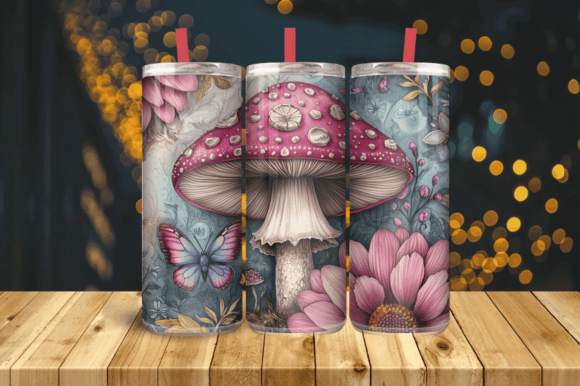
Fantasy Mushrooms Tumbler Wrap Review
As a designer who spends more time than I care to admit staring at stitch lines and testing thread tension, I approach every new embroidery file with a healthy dose of skepticism. The market is flooded with generic clip art and lazy digitizations that look fine on a screen but fall apart under the needle. That is why when I encountered the Fantasy Mushrooms Tumbler Wrap, 20 Oz, I decided to put it through its paces before recommending it to my network of fellow crafters and small business owners.
While the product title suggests a sublimation wrap for tumblers, the visual language of this design translates surprisingly well into the realm of machine embroidery. It is a piece of Graphics that relies on organic shapes, whimsical character, and a distinct mood. My goal here is to strip away the marketing fluff and give you a practical evaluation of how this design performs in real-world scenarios, from custom apparel to boutique gift items.
First Impressions: Mood and Visual Personality
The moment you open the design file, the first thing that strikes you is the atmosphere. This isn’t just a collection of fungi; it is a cohesive fantasy scene. The layout feels balanced, avoiding the cluttered "sticker bomb" aesthetic that often plagues modern digital assets. For designers looking to create a handmade product that feels curated rather than mass-produced, this design delivers.
The visual personality is playful yet sophisticated. It leans heavily into the cottagecore and woodland aesthetics that have dominated trends in recent years. When I looked at the detail level, I appreciated that the artist prioritized readability over microscopic complexity. In embroidery, less is often more. If a design is too dense or intricate, it loses definition once stitched, especially on curved surfaces or textured fabrics. This design walks that line perfectly, offering enough detail to be engaging without risking a muddy final result.
Real-World Application: Where Does It Fit?
So, where does a design originally marketed as a tumbler wrap belong in your embroidery workflow? Surprisingly, almost everywhere. Let’s look at a specific scenario: preparing inventory for an upcoming holiday craft fair.
I imagined taking this Fantasy Mushrooms Tumbler Wrap, 20 Oz concept and adapting it for a series of custom embroidered patches and tote bag designs. The organic curves of the mushrooms mimic the natural flow of fabric, making them ideal for tote bag design applications where the design might drape slightly. However, its true strength lies in its versatility across different product categories.
- Custom Apparel: On a sweatshirt or hoodie, the whimsical nature of the design adds a layer of personality. It works beautifully as a chest pocket accent or a larger back print for those who want a statement piece.
- Baby Embroidery: There is something inherently soft about mushroom motifs. I can easily see this being used for baby clothes, nursery decor, or blanket borders. The colors (once mapped to thread) would feel gentle and inviting, perfect for personalized gifts.
- Home Goods: Pillow covers and tea towels are excellent candidates. The design’s symmetry and balance allow it to anchor a room’s decor without overwhelming the space.
- Accessories: Caps and hats benefit from rounded designs. While caps present stitching challenges due to their curvature, the flowing lines of this design help disguise any minor distortion that might occur during the hooping process.
Technical Performance and Stitch Clarity
When evaluating a machine embroidery design, we have to talk about execution. Even the best artwork fails if the digitization is poor. Based on the visual structure of this graphic, here is what I expect regarding stitch types and density.
The design likely utilizes a mix of fill stitch for the mushroom caps and bodies, providing a rich, textured look that catches the light. The stems and background elements probably rely on running stitch or lighter fill patterns to keep the weight manageable. This variation in stitch density is crucial; it prevents the fabric from becoming stiff and board-like, which is a common complaint with low-quality embroidery files.
I also noticed areas that suggest the use of satin stitch for outlining or defining edges. Satin stitches provide a crisp, clean finish that elevates the perceived value of the finished product. When customers hold a handmade item, they judge its quality by the sharpness of the edges. A well-executed satin stitch makes a design look professional and intentional.
Thread Colors and Contrast
One of the biggest risks in embroidery is poor contrast. Since this is a graphic design, the original color palette matters less than how it translates to thread. I recommend testing this design with high-contrast thread combinations. If you are using pastel threads, ensure the background fabric is dark enough to make the details pop. Conversely, if you are embroidering on white or cream fabric, avoid using very light yellows or pale greens for the main subjects, as they will disappear into the material.
Where to Use Caution
No design is perfect for every situation. As an experienced reviewer, I must highlight where this design requires careful handling.
- Small Hoop Sizes: If you attempt to digitize or resize this design significantly smaller, you risk losing critical details. Tiny lettering or thin lines may merge together, creating a blob. Always check the minimum recommended hoop size.
- Textured Fabrics: While the organic shapes work well on smooth cottons and poly-blends, highly textured fabrics like bouclé or heavy tweed can obscure the finer details of the mushrooms. Stick to smoother surfaces for the best clarity.
- Stretchy Fabrics: Knits require special attention. Without proper stabilizer support, the tension of the stitches can distort the fabric, warping the delicate curves of the design. Always test on scrap knit fabric first.
- Dense Stitch Areas: If the design includes large solid fills, be mindful of the total stitch count. Excessive density can cause needle breakage or puckering, especially on lightweight materials.
Practical Designer Notes for Success
To get the most out of the Fantasy Mushrooms Tumbler Wrap, 20 Oz, follow these practical steps before committing to your final product:
- Test on Scrap Fabric: Never skip this step. It helps you identify potential issues with thread tension, stabilizer choice, and color accuracy.
- Check Black and White Mockups: Convert your design to grayscale to ensure there is enough tonal contrast between the elements. This is a classic designer trick to verify legibility.
- Use Proper Stabilizer: Depending on your fabric, you may need cut-away stabilizer for permanent stability or tear-away for temporary support. Getting this right ensures your finished product holds up to washing and wear.
- Confirm Licensing: Before listing this as an Etsy seller or selling items in your craft business, double-check the licensing terms. Ensure you are allowed to sell physical goods made from the design, and understand any restrictions on digital resale.
Final Verdict
The Fantasy Mushrooms Tumbler Wrap, 20 Oz is more than just a decorative graphic; it is a versatile asset for any serious embroiderer. Its strong visual identity, balanced composition, and adaptability make it a standout choice for commercial embroidery projects. Whether you are creating a unique personalized gift for a client or adding a touch of whimsy to your own wardrobe, this design offers a high level of professionalism and charm.
For small shop product creators, this design has the potential to drive engagement. It taps into popular aesthetic trends while remaining timeless enough to appeal to a broad audience. By paying attention to stitch density, thread selection, and fabric choice, you can transform this digital asset into a tangible masterpiece that customers will love.
In summary, if you are looking to add a touch of fantasy to your embroidery project library, this is a worthy addition. Just remember: good design starts with good preparation. Test thoroughly, choose your materials wisely, and let the craftsmanship speak for itself.