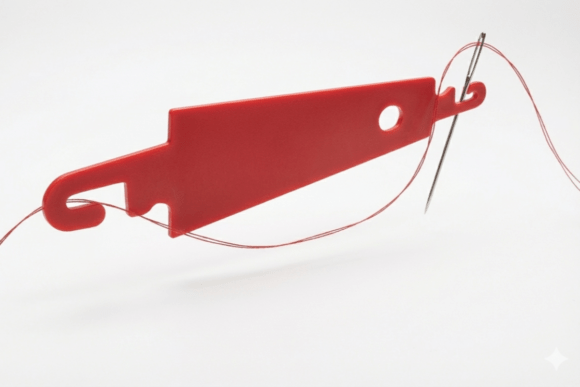
Needle Threader 3D Printing Accessories Review
As a digital publisher who spends half my day tweaking CSS and the other half worrying about click-through rates, I don’t usually get excited about physical tools. But when I stumbled upon this graphic design asset inspired by a functional 3D Printing model called the Needle Threader, I paused. In the world of content marketing and editorial design, every visual element must earn its place on the screen. This isn't just a sewing tool; it is a study in form, function, and aesthetic precision that translates surprisingly well to our digital workflows.
The core concept behind this device is elegant in its simplicity. The original inspiration describes a mechanism where you can easily thread sewing thread through the eye of a needle, with dimensions that scale to fit various needle sizes. When we strip away the physical utility and look at it as a visual object for our blogs, newsletters, and social media graphics, what remains is a symbol of precision, patience, and detailed craftsmanship. For bloggers in the lifestyle, DIY, craft, or slow-living niches, this visual language is gold. It signals to the reader that care has been taken, not just in the text they are about to read, but in the presentation itself.
Editorial Mood and Visual Identity
When integrating any new design asset into your brand identity, the first question is always: "What mood does this create?" The Needle Threader aesthetic leans heavily into modern minimalism with a touch of industrial chic. It feels clean, bold, and undeniably professional. Unlike the overly floral or chaotic visuals that plague some craft blogs, this asset offers a structured, geometric appeal that suggests organization and clarity.
This visual tone supports content that needs to look polished and clickable. If you are an online educator creating a digital guide on textile arts, or a small business owner selling handmade goods, using imagery that reflects the quality of your product builds immediate reader trust. The sleek lines and adjustable nature of the device imply adaptability—a powerful message for affiliate marketers promoting tools that solve multiple problems. It bridges the gap between playful creativity and serious web design, making it versatile enough for both feminine, soft aesthetics and more gender-neutral, modern layouts.
Real-World Publishing Applications
In my workflow, visual assets are rarely used in isolation. They are part of a larger ecosystem of content marketing. Here is how this specific design fits into real publishing situations:
- Blog Featured Images: Use a high-resolution render of the Needle Threader as the hero image for tutorials on sewing hacks or organizational tips. The sharp edges cut through the noise of crowded RSS feeds.
- Pinterest Pins: Pinterest is a visual search engine. A clean, isolated shot of this tool against a muted background performs exceptionally well because it promises a clear solution. Pair it with bold typography for "5 Ways to Organize Your Craft Room."
- Newsletter Graphics: For newsletter creators, consistency is key. Using this asset as a recurring icon or header accent helps establish a recognizable brand identity. It adds a touch of sophistication to emails that might otherwise feel like generic blasts.
- Digital Guides and eBooks: If you are selling a downloadable resource, such as a pattern book or a maker's journal, incorporating this asset on the cover signals professionalism. It elevates the perceived value of the digital product.
- Social Media Previews: On Instagram or LinkedIn, this asset works well in carousel posts. Slide one could show the tool, while subsequent slides break down its features, creating a strong visual hierarchy that guides the viewer’s eye.
Boosting Content Performance
Why should you care about the visual details of a needle threader? Because in digital publishing, attention is the currency. A well-chosen creative design element can significantly impact performance metrics.
First, it creates a stronger first impression. When a visitor lands on your site, they decide within seconds whether to stay or leave. Professional, high-quality imagery reduces cognitive load and makes your content feel authoritative. Second, it improves click-through potential. A visually distinct graphic stands out in a sea of text-heavy snippets. Third, it enhances reader trust. Consistent, polished visuals suggest that if your images are this careful, your research and writing likely are too.
Furthermore, this asset supports better category recognition. If you use the same style of 3D-rendered tools across your "Home Improvement" or "Crafts" categories, readers will subconsciously associate that visual style with those topics. This strengthens your brand identity over time, turning casual visitors into loyal subscribers.
Strategic Placement and Caution
Not every image belongs everywhere. While the Needle Threader is a versatile asset, there are places where it should be used carefully. Avoid placing it in small mobile thumbnails where detail is lost. If the intricate parts of the design become a blur, it fails to communicate its purpose. Similarly, steer clear of using it on text-heavy blog images where it might compete with your headline for attention.
Be cautious with low-contrast backgrounds. The beauty of this design lies in its shadows and highlights; flat colors can flatten the image entirely. Additionally, if you operate in a serious professional niche, such as corporate finance or legal advice, this playful yet technical asset might feel out of place. Stick to websites that need a creative, artistic, or hobbyist visual system. For corporate content, a more abstract or minimalist approach is often safer.
Practical Publisher Notes for Implementation
Before you drag and drop this asset into your CMS, follow these practical steps to ensure it integrates smoothly:
- Test on Multiple Screens: Preview the image on desktop and mobile. Does it retain its impact on a small smartphone screen?
- Check Thumbnail Legibility: Shrink the image to the size it will appear in search results or feed aggregators. Is it still recognizable?
- Preview in Context: Place the image inside a real blog layout. Does it clash with your existing color palette? Does it disrupt the flow of reading?
- Test Typography Pairings: Try placing headlines next to the asset using serif, sans-serif, script, handwritten, and display fonts. Sans-serif fonts often pair best with the modern geometry of 3D prints, but don't be afraid to experiment with a bold display font for headers.
- Review File Size: Large images slow down page load times, which hurts SEO. Compress images properly using tools like TinyPNG before uploading.
- Confirm Licensing: Always check the commercial license. Even if the design is free, ensure you have the right to use it on monetized websites, affiliate pages, or paid content products. A commercial license protects your business from legal issues.
Ultimately, the Needle Threader is more than just a tool for sewing; it is a metaphor for the work we do as publishers. We take complex ideas and thread them through the narrow eye of the reader's attention. By choosing design assets that reflect precision, clarity, and care, we make that threading easier. Whether you are building a Canva template for your team or designing a custom website header, consider how this asset can add a layer of editorial quality to your digital presence. It is a small detail, but in the world of content creation, details are everything.