Reviewing Jesus Christ Laser Engrave File for Embroidery
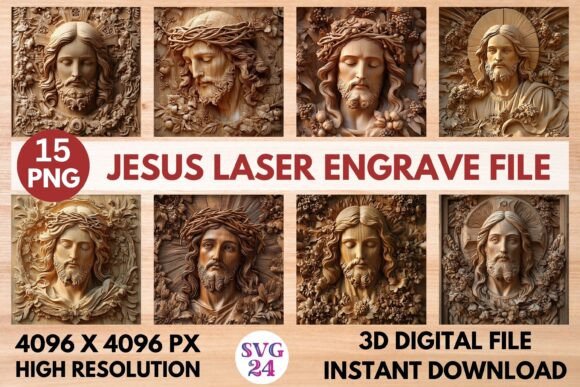
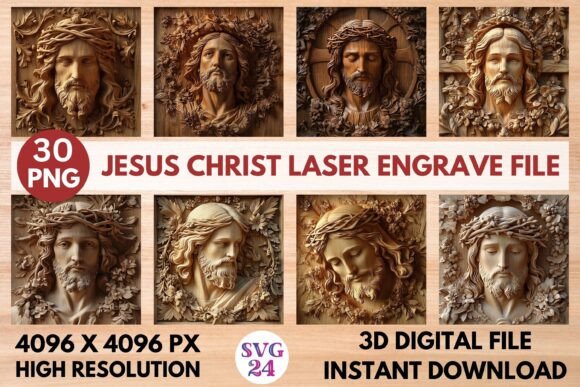
When I first pulled up the Jesus Christ Laser Engrave File, my immediate thought wasn’t about the religious significance, but rather about its structural integrity as a design asset. As a designer who spends hours evaluating files for stitch-out viability, I look past the spiritual theme to ask: does this graphic translate well into thread? Does it hold up on fabric? Can a small business owner sell this without worrying about print or stitch defects?
This file is marketed primarily as a Laser Engraving Graphics product—a PNG ready for wood, acrylic, or glass. However, in today’s hybrid crafting market, many of us are repurposing high-contrast digital assets for machine embroidery. The question isn't just "is it pretty?" but "will it survive the hoop?" In this review, I’m putting that embroidery project through its paces to see if this specific design has legs in the world of stitched apparel and home decor.
First Impressions: Visual Weight and Mood
The Jesus Christ Laser Engrave File carries a distinct visual weight. Because it originates from laser engraving aesthetics, it likely relies on strong contrasts and defined edges rather than the subtle gradients often found in vector illustrations. This is actually a blessing for embroidery. Designs with clear boundaries tend to stitch out cleaner because there is less ambiguity for the digitizer (or the direct-to-fabric process) to interpret.
Mood-wise, the design feels solemn yet approachable. It doesn’t scream for attention with neon colors or chaotic layouts; instead, it offers a steady, centered presence. For a custom apparel item like a crewneck sweatshirt or a canvas tote bag, this kind of understated dignity works beautifully. It avoids the trap of looking too childish or overly ornate. It sits comfortably in that sweet spot between serious faith-based merchandise and modern, minimalist Christian fashion.
Real-World Application: Where This Design Shines
I’ve been thinking about how this design would perform in actual production runs. Let’s look at a few scenarios where the Jesus Christ Laser Engrave File could add significant value to your craft business.
- Custom Tote Bags: A large-scale application on a natural cotton canvas tote is one of the strongest uses for this file. The contrast of dark thread against light canvas will mimic the look of the original laser engraving. It creates a handmade product that feels premium and gift-ready.
- Baby Items: There is a huge market for faith-based nursery decor. Using this design on a muslin swaddle blanket or a hooded towel can be very effective. However, you must scale it down carefully. If the original file has intricate details, shrinking it might cause those details to merge together during stitching.
- Holiday Gifts: This design transcends specific holidays, making it a year-round seller. But around Easter or Christmas, faith-themed personalized gifts see a spike in demand. A pillow cover featuring this central figure serves as a thoughtful, lasting keepsake.
- Embroidered Patches: If you plan to sell iron-on patches, this file’s bold lines work well. The outline needs to be clean so the patch edge looks sharp. Since it’s a Graphics file, you may need to trace or digitize it specifically to create a proper border for a patch application.
For an Etsy seller or someone running a small shop product line, versatility is key. This design allows you to cross-sell. You aren’t limited to just shirts; you can offer aprons for church volunteers, kitchen towels for new homeowners, or even branded merch for a local youth group.
Technical Considerations and Stitch-Out Challenges
Here is where we get practical. Just because a design looks good on a screen doesn’t mean it stitches well. The Jesus Christ Laser Engrave File presents specific challenges depending on how you execute it.
Stitch Density and Detail: If the image relies on fine shading or tiny text, you need to be careful. High-density areas can make fabric stiff and puckered. If the design includes facial features or hands, ensure those elements are simplified. In embroidery, "less is more." If the file is too detailed, consider using a satin stitch for outlines and a lighter fill stitch for the interior, rather than trying to replicate every pixel with thread.
Fabric Texture: This design pairs best with smooth fabrics. Think jersey knit for t-shirts, tight-weave cotton for tees, or sturdy duck cloth for bags. Avoid highly textured fabrics like boucle wool or thick chenille unless you are doing a very large, simple version of the design. The texture of the fabric will compete with the detail of the engraving-style art, potentially muddying the final look.
Thread Color Contrast: Since this is a black-and-white style source, you have creative freedom. White thread on a navy blue shirt will give a classic, nautical feel. Black thread on a heather grey shirt offers a modern, streetwear vibe. Gold or cream thread on a white garment can look elegant and luxurious, especially for wedding or baptismal gifts. Always test your thread colors against your fabric before committing to a full run.
Where to Use It Carefully
There are certain applications where this design might struggle. Avoid placing it on curved surfaces like baseball caps unless the design is heavily simplified. The curvature distorts straight lines, which might break the symmetry of the figure. Similarly, thin fabrics like silk or lightweight rayon require a heavy-duty stabilizer. If the design is dense, it might tear through thin material over time, especially after washing.
Also, consider the size. On a standard 4x4 hoop, complex designs can become cluttered. If you’re working with a smaller hoop size, simplify the artwork. Remove background noise and focus on the central figure. This ensures the embroidery file remains legible and impactful.
Practical Designer Notes for Execution
If you decide to incorporate the Jesus Christ Laser Engrave File into your workflow, follow these steps to ensure a professional finish:
- Test on Scrap Fabric: Never go straight to the final product. Stitch a sample on the exact fabric type you plan to use. Check for puckering, thread breaks, and color accuracy.
- Check Hoop Size: Ensure the scaled-down design fits within your machine’s hoop limits while maintaining adequate spacing from the edge.
- Inspect Small Details: Zoom in on the digital preview. Are any lines too close together? Will they merge when stitched? If so, edit the vector or raster image before digitizing.
- Use Proper Stabilizer: Cut-away stabilizer is generally safer for permanent garments, while tear-away might suffice for temporary items like tote bags. Choose based on the fabric's stretch and the design's density.
- Verify Licensing: Before selling finished items, confirm the commercial use rights of the digital embroidery file. Some laser engraving files have different licensing terms than standard embroidery vectors.
Final Verdict
The Jesus Christ Laser Engrave File is a solid foundation for faith-based merchandise. Its strength lies in its clarity and emotional resonance. While it requires some adaptation to move from laser engraving to textile, the result can be a high-quality finished product that customers appreciate.
It works best for commercial embroidery projects that aim for a clean, modern aesthetic. Whether you are creating custom apparel for a boutique or personal gifts for family, this design offers a timeless appeal. Just remember to respect the limitations of thread versus pixels, and always prioritize stitch quality over sheer detail. When executed well, this file can elevate your brand and connect deeply with buyers looking for meaningful, handmade goods.